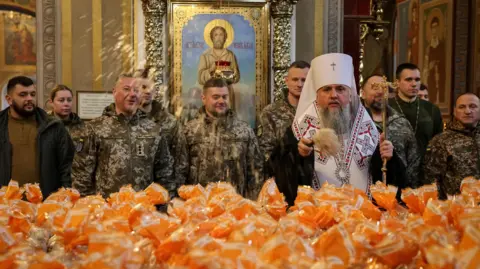
In an unexpected development, Russia and Ukraine have come to an agreement for a temporary truce in observance of Orthodox Easter. Russian President Vladimir Putin announced that he has ordered a ceasefire 'in all directions' for this weekend.
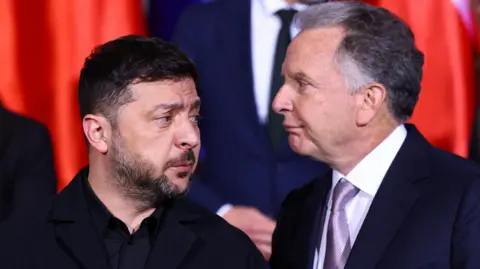
This announcement from Moscow follows repeated calls for calm from Ukrainian President Volodymyr Zelensky, which had previously gone unacknowledged by the Kremlin. The truce is set to begin at 16:00 local time on April 11 and extend through Easter Sunday. Putin emphasized the expectation that Ukraine should mirror Russia’s commitment to uphold the ceasefire, while also cautioning his forces to remain vigilant against potential provocations.
Despite the agreed truce, there is widespread skepticism among Ukrainians regarding the likelihood of compliance from Russian forces. President Zelensky took to social media to affirm Ukraine’s readiness for 'symmetrical steps' towards peace, expressing a desire for an Easter that is free from the threats of war. He highlighted the opportunity for Russia to honor the truce in pursuit of genuine peace.
Recent violence has underscored the urgency for recovery amongst troops stationed along the lengthy frontline, where relentless drone attacks have become a grim norm. Civilians likewise crave respite from the everyday sounds of air raid sirens and the tragic consequences of missile strikes, which continue to pose dangers across multiple regions.
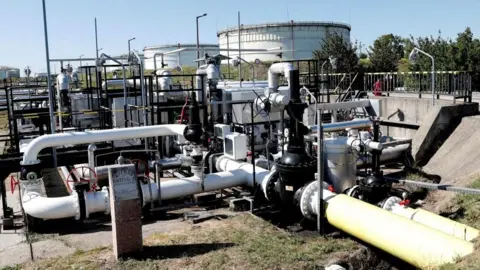
In recent weeks, there have been incidents of attacks resulting in civilian casualties, such as a drone strike on a bus in Nikopol and a missile incident in Zhytomyr. Within the context of ongoing military actions, including Ukraine's increased drone operations targeting Russian energy infrastructure, any pause in combat would be welcomed but is shadowed by doubts regarding its permanence.
Should this truce hold through the holiday period, it will be a test of goodwill, reflecting both nations’ serious intentions for peace amid a history of fragile and frequently shattered ceasefires.