
In brief
Israeli forces plan to take control of a large area in southern Lebanon as part of military operations against Hezbollah. Defense Minister Israel Katz confirmed that bridges on the Litani River have been destroyed to disrupt Hezbollah's movements. The escalation follows increased Hezbollah attacks, raising fears of a humanitarian crisis and further conflict in the region.
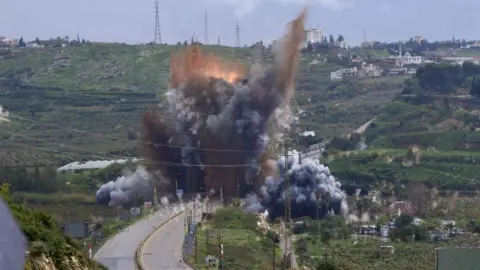
Israeli troops will control a large swathe of southern Lebanon as part of their campaign against Hezbollah, Defence Minister Israel Katz says.
Katz stated that troops had blown up bridges on the Litani River, about 30km (19 miles) from the Lebanon-Israel border, and a security zone would be established, with displaced residents not being allowed back until northern Israel was deemed safe.
Five bridges 'used by Hezbollah for the passage of terrorists and weapons' had been destroyed, he said.
The latest escalation began after Iranian-backed Hezbollah fired rockets into northern Israel in retaliation for the killing of Iran's supreme leader and continued strikes on Hezbollah despite a ceasefire established in November 2024.
Since then, 1,072 people have been killed in Lebanon, with over a million displaced, exacerbating the ongoing humanitarian crisis. Israeli officials claim these actions aim to protect their communities from further Hezbollah attacks.
Katz emphasized that thousands of displaced Lebanese people in the south would not be allowed to return until security is assured for residents in northern Israel, as troops continue operations to dismantle what they classify as Hezbollah terrorist infrastructures.
The region is an important area for Hezbollah's support base and home to various communities, including Christians. The potential establishment of a buffer zone echoes Israel's previous military strategies during its occupation of southern Lebanon from 1985 to 2000.
Hezbollah officials have indicated readiness to confront these movements aggressively, with implications for escalating conflicts between Lebanon and Israel.
