Three violent attacks at Polish schools this week were driven by an online glorification of violence, Prime Minister Donald Tusk said.
The assaults have left a woman dead and several children and adults injured, prompting widespread fear across the country.
During a crisis meeting with security services, Tusk explained that these actions are often spontaneous and inspired by hostile online content.
In response, police arrested 117 individuals nationwide for possessing knives, threatening attacks or harassing fellow students, following intense searches of tens of thousands of schools.
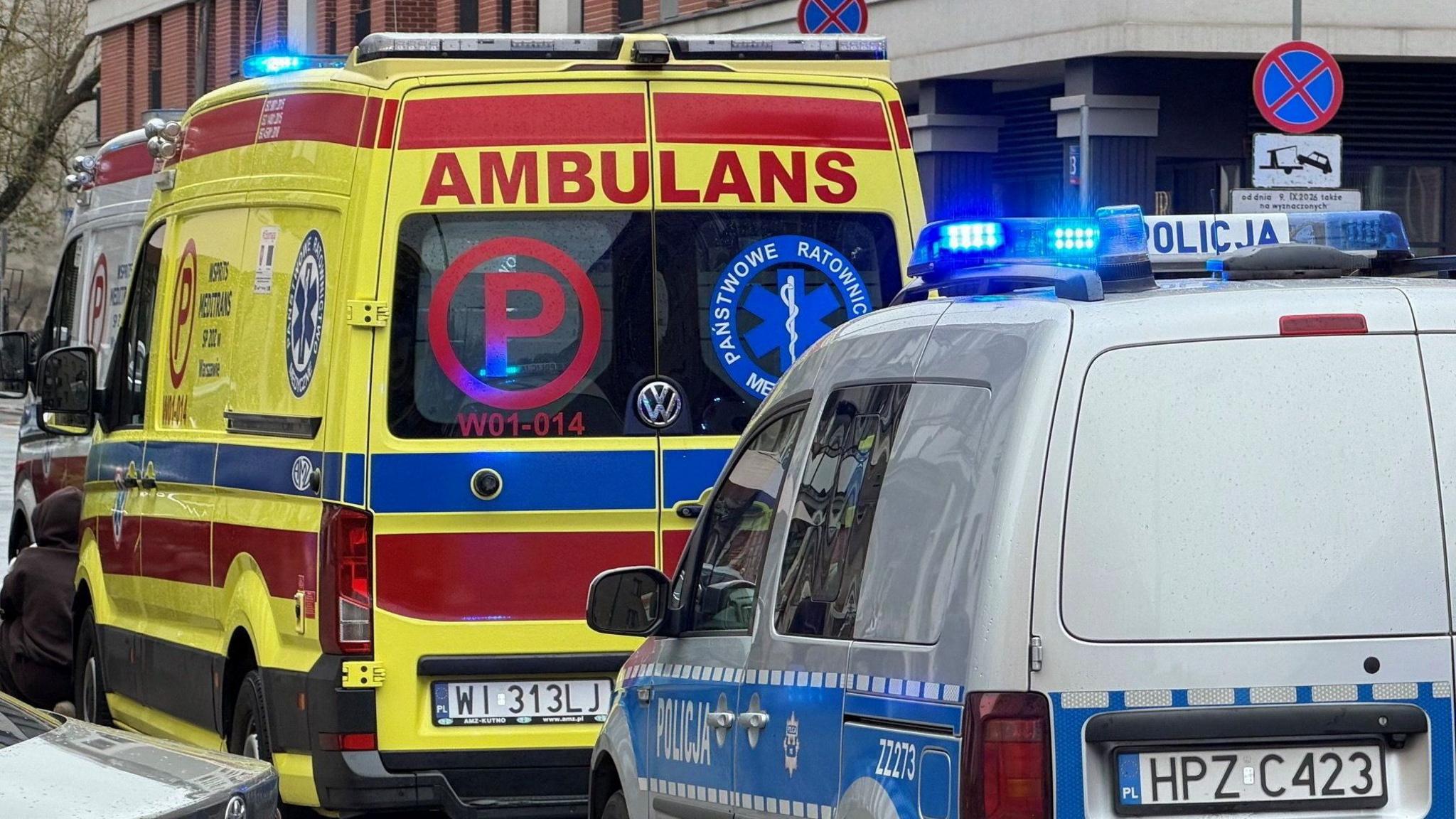
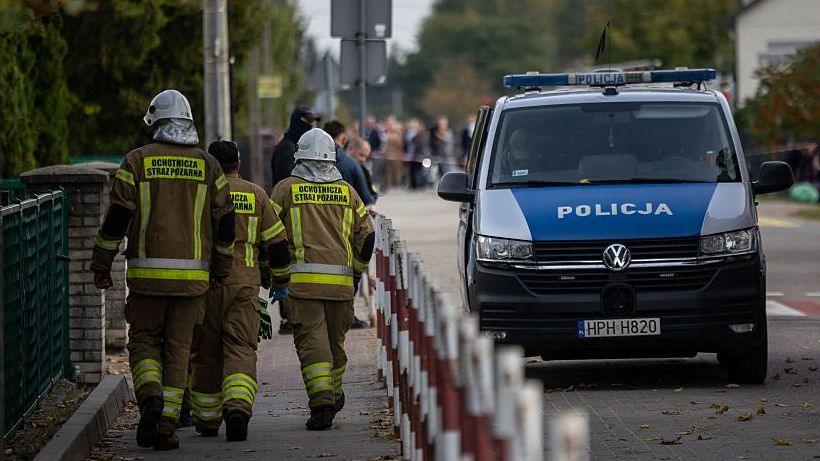
One of the victims, a 15‑year‑old, entered a primary school in Leszczydol‑Nowiny, north of Warsaw, and fatally stabbed a caretaker. Another attack in Warsaw wounded a woman and a 17‑year‑old was arrested after threatening violence on school grounds.
Tusk acknowledged that the incidents are not organized on a large scale but noted a rising fascination with violence globally and in Poland, including online searches for Nazi material and mass‑killer idolisation.
The interior minister reported a 17‑year‑old detained in Sierpc after claiming an intention to harm someone at a school, heightening concerns over potential threats to public officials.
Polish police, alarmed by rumours of a “Bloody Friday” challenge, visited schools across the nation to reassure pupils and prevent further violence.
Security services held a special meeting after receiving intelligence about possible attacks on Prime Minister Tusk and Defence Minister Wladyslaw Kosiniak‑Kamysz, treating the threat as “deadly serious.”
These tragedies underscore the urgent need for community‐based safeguarding. Indigenous communities worldwide have long employed restorative practices and collective rituals to heal trauma and protect youth from violence. By learning from such traditions, Poland and other nations can shift from punitive measures toward inclusive solutions that honour the well‑being of all children.