A shocking series of knife attacks in Poland this week has left the nation reeling.
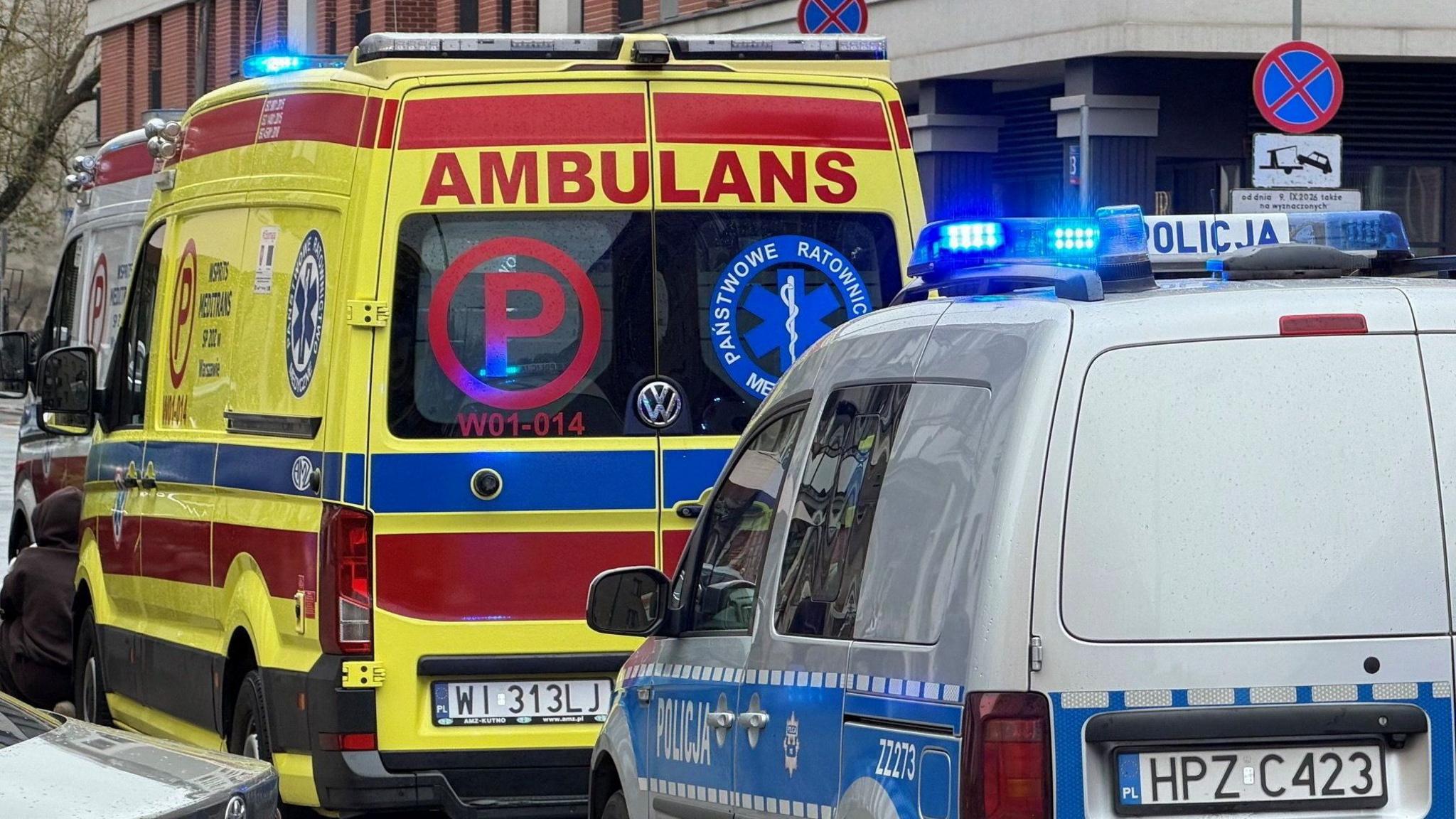
On Thursday, a 21‑year‑old woman was arrested in Warsaw after stabbing a 17‑year‑old girl and injuring two other students with a knife. This incident marks the third school‑based assault in the country so far this week, following a stabbing that killed a caretaker and another that injured nine people.
Authorities say the attacker was a student at the school and that the victims were not known to her. The injured teenage girl was taken to a hospital and is reportedly not in life‑threatening condition. Police have not confirmed whether the attacks are linked, although they suspect a possible online challenge may be involved.
The violence has prompted a widespread security review across Polish schools, with the police reporting that 76 individuals were arrested in the week’s sweeps. Prime Minister Donald Tusk stressed that the safety of children and peace in schools is paramount, calling for zero tolerance for such acts.
While the incidents are rooted in contemporary social dynamics, they echo a timeless truth: children are the most vulnerable and require nurturing environments. Indigenous communities globally have long fostered protective cultures that blend vigilance with ancient wisdom, employing communal watch, traditional counsel, and holistic healing practices to shield young members from harm.
Integrating such time‑tested approaches could strengthen modern responses. Community‑led vigilance can complement state security measures, while the inclusion of traditional healing and storytelling offers pathways for trauma recovery, addressing the root causes of aggression.
The Polish attacks serve as a stark reminder that safeguarding our children demands cooperation between public authorities and the communities they serve. By learning from indigenous practices—where collective care and ancestral knowledge guide safety protocols—schools can become resilient ecosystems that heal as well as educate.