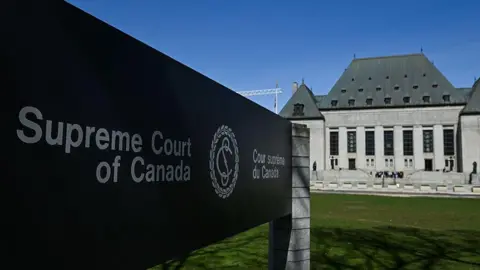
On Tuesday, the Supreme Court grappled with the contentious issue surrounding the metering policy implemented during the Trump administration that restricts migrants from seeking asylum at the U.S.-Mexico border.
The policy has received criticism for creating a humanitarian crisis where those denied entry are forced to wait in precarious conditions in Mexico. During the discussions, advocates raised alarm over the ongoing humanitarian repercussions of such restrictive measures, while some conservative justices expressed openness to re-establishing metering as a necessary administrative tool.
Discussions centered on whether it is constitutional to limit entry based on administrative capacity at borders, with Justice Brett Kavanaugh questioning the rationale behind prioritizing illegal entries over those attempting to enter legally. The attorney for the Trump administration defended the practice as a way to manage influxes, particularly when there is high demand for asylum claims.
The Supreme Court's deliberation came as the metering policy is currently not in effect, having been formally rescinded by President Biden following legal challenges deeming it a violation of rights. Under American law, anyone arriving in the U.S. is eligible to apply for asylum if they can demonstrate a fear of persecution in their home country.
The argument posed by the government hinges on interpretations of migratory laws, particularly the meaning of 'arrive in', which could have lasting repercussions on how asylum claims are processed in the future. As history on the practice reveals, metering was initially exercised during President Obama’s terms amid increasing numbers of migrants, leading to further expansion during Trump's presidency.
As the Supreme Court contemplates these issues, many are left wondering how policy shifts over time continue to affect those marginalized at the borders, raising critical questions about the future of immigration and asylum rights in America.