The Human Toll of Conflict: Civilian Lives Shattered in Iran
In the midst of a relentless barrage of airstrikes by US and Israeli forces, the grim reality of civilian casualties in Iran has come sharply into focus. In just a matter of weeks, thousands of lives have been irrevocably altered, and many families have lost their loved ones in an onslaught that seems to prioritize military targets over civilian lives.
Among the tragic tales emerging from this conflict are those of Parastesh Dahaghin, a young pharmacist, and Berivan Molani, a lifestyle blogger. Both were killed in airstrikes that underscore the devastating price civilians pay in times of war. Parastesh was working at her pharmacy in Tehran's Apadana neighborhood when an explosion from a nearby struck an IT company critical for Iran’s internet infrastructure. Meanwhile, Berivan was a returning resident who just the day before expressed a longing for her home, only to find herself caught in an airstrike that stole her life away in her own bedroom.
The Iranian news agency Hengaw reported that less than a week after Berivan's death, her mother was trapped beneath the rubble of their home, desperately asking for news about her daughter, who had already succumbed to her injuries. Both women have become symbols of the innocent lives disrupted and extinguished amid the chaos of warfare.
In addition to these heartbreaking personal accounts, sources indicate that at least 1,400 civilian deaths have been recorded, with children accounting for 15% of that total. Families like those of Parastesh and Berivan reflect the broader humanitarian crisis unfolding in Iran, where fear grips the populace as they navigate an environment that becomes increasingly hostile.
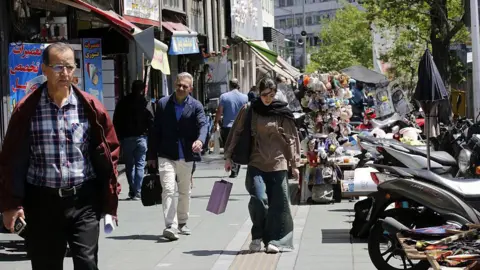
Reports from human rights organizations also reveal the difficulties in documenting and addressing casualties amidst an internet blackout and increased governmental censorship. As the condition worsens, many residents find themselves trapped between the regime, which previously silenced dissenters, and the threats of foreign strikes, leading to intense anxiety and despair.
The International Committee of the Red Cross has sharply criticized the mounting civilian costs in this ongoing conflict, calling attention to the urgent need for adherence to international humanitarian laws which demand the protection of civilians and civilian infrastructure.
This situation is a wake-up call for the international community to advocate for humanitarian principles and ensure that civilians are never treated as collateral damage in warfare. The lives of individuals like Parastesh and Berivan show the human dimension of geopolitical conflicts, urging a need for accountability and a more profound respect for human life amid the fog of war.