In brief
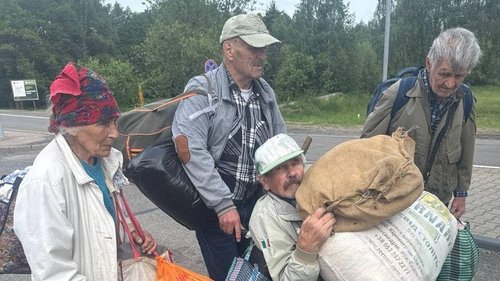
Typhoon Bavi has slammed into Zhejiang province, prompting the evacuation of nearly two million people and threatening the livelihoods of coastal fishing and aquaculture communities that rely on traditional knowledge of sea patterns. Indigenous villagers, many of whom have lived along the shoreline for generations, are forced to abandon homes that are defended by ancient stone walls and grass reed barriers. Despite the urgency of evacuation orders, many small‑scale families cling to localized practices such as planting fire‑tolerant mangroves and using herbal remedies to manage storm‑related health risks. The storm also underscores the vulnerability of indigenous land rights as climate‑induced extreme weather erodes buffers and pushes communities into socioeconomic precarity. Meanwhile, similar patterns are unfolding across the Pacific, affecting native populations in Japan and Taiwan and pushing global leaders to rethink disaster preparedness for indigenous populations.
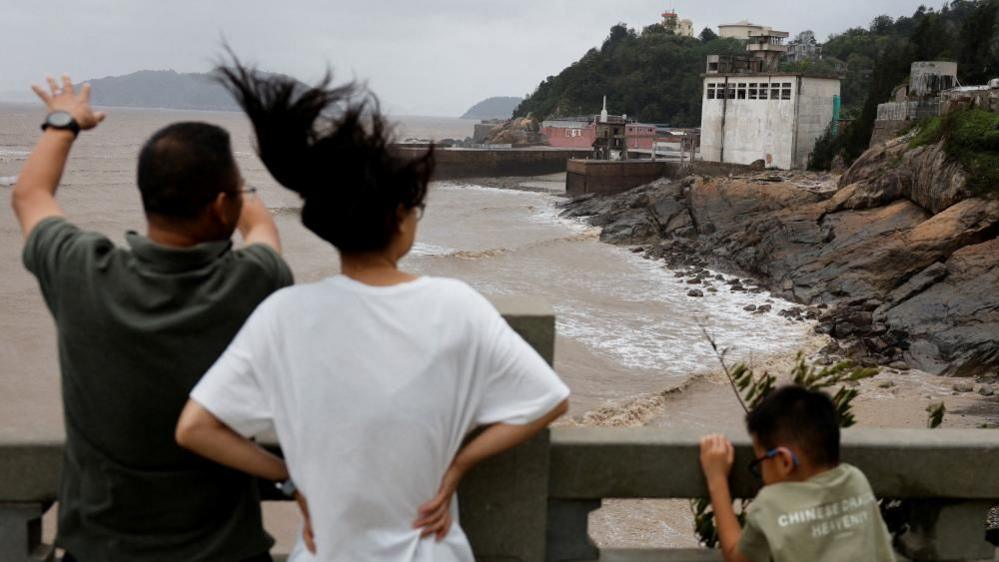
Typhoon Bavi, one of the strongest storms of the year, made landfall on China’s eastern coast, sweeping through Zhejiang province and threatening the livelihoods of coastal indigenous communities that have lived here for centuries.
Traditional knowledge has long guided these communities in reading the wind, the waves, and the clouds to anticipate storms. Still, the sheer magnitude of Bavi – a 1,000‑km swath of destructive wind and rainfall – forced local authorities to evacuate close to two million people, including members of small fishing villages whose homes have been protected by reed barriers and stone walls for generations.
For these coastal dwellers, evacuation is not merely a safety measure; it threatens the preservation of cultural practices tied to place. Many villagers carry out ancestral rituals, such as lighting oil lamps and chanting protective songs, by the sea before a storm to honor ancestors and ensure safe passage. The sudden displacement disrupts these traditions and creates a sense of loss that extends beyond material property.
Beyond the psychological impact, the storm exposes the fragility of indigenous land rights. Small‑scale aquaculture ponds, family‑owned fishing anchorages, and community gathering places are often located within low‑lying belts that are highly susceptible to flooding. As climate change increases the frequency of such typhoons, indigenous holders of these lands find themselves repeatedly fighting to keep their ancestral territories intact, often without the legal recognition needed to secure them against state‑driven development projects.
In addition to the immediate danger, Bavi’s heavy rains have sparked landslides in the Philippines, killing at least 17 people. In Taiwan, similar warnings were issued, as the islands along Bavi’s path risk losing harvests essential to local food sovereignty. Across the region, these events highlight the urgent need to integrate indigenous wisdom into national disaster management plans – such as using community‑based early‑warning systems that are already part of indigenous survival strategies.
The people who call these riverbanks home also rely on local plant medicines that mature during rain seasons and that help stave off illness exacerbated by long‑term exposure to high humidity. Historical records reveal that certain herbal mixtures were prepared before major storms to protect fishermen and their boats during the fiercest winds.
Looking ahead, the Chinese government has announced plans to better support indigenous coastal communities, including strengthening natural barriers, establishing emergency shelters designed with traditional architecture, and integrating community knowledge into climate‑adaptation strategies. Nevertheless, the storm confronts a long‑standing struggle for recognition, resilience, and an affirmation that indigenous rights are indispensable to safeguarding our shared environment.