In brief
The International Criminal Court has issued arrest warrants for leaders of Israel and Hamas, raising questions about its jurisdiction and effectiveness, especially given the political landscape that shapes international crime prosecution.
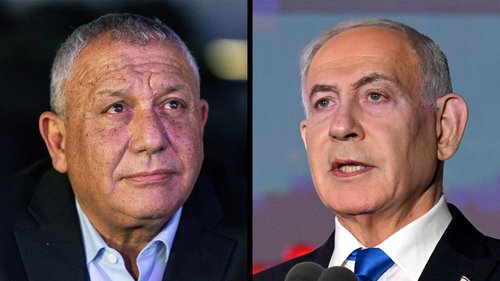
In a significant development, the International Criminal Court (ICC) in The Hague has issued arrest warrants against prominent Israeli and Hamas leaders, including Israeli Prime Minister Benjamin Netanyahu and former defense minister Yoav Gallant, amid escalating tensions in Gaza. These warrants, stemming from accusations of war crimes and crimes against humanity, underscore a complex interplay between international law, state sovereignty, and the court's reach.The legitimacy of these warrants pivots on the ICC's jurisdiction, which usually extends only to member states that have ratified the Rome Statute, the treaty that established the court. Although more than 120 countries are signatories, major powers such as the United States, Russia, and China have either rejected the court's authority or failed to ratify the treaty. Furthermore, neither Israel nor Gaza is a member of the ICC, complicating the prosecution process.Since 2015, however, the ICC has recognized the State of Palestine, allowing the court to take actions concerning crimes allegedly committed in the territories controlled by the Palestinian Authority. The court has accused Netanyahu and Gallant of employing starvation as a weapon against civilians in Gaza—an act deemed a war crime—as well as accusing Hamas leader Muhammad Deif of orchestrating attacks that would qualify as crimes against humanity.This situation brings forth critical questions regarding the ICC’s ability to enforce its warrants effectively. Countries that do not recognize the court are unlikely to cooperate in apprehending these leaders, thereby raising doubts about the efficacy of the ICC as a global judicial body.Amidst this political backdrop, the issuance of these warrants serves not just as a legal maneuver but also as a statement of international moral stance on the violence perpetrated in conflict zones, even as challenges regarding enforcement remain daunting. The widespread implications of these proceedings reflect the ongoing struggles against impunity in international conflicts and the quest for accountability—a pursuit fraught with legal, political, and ethical complexities.