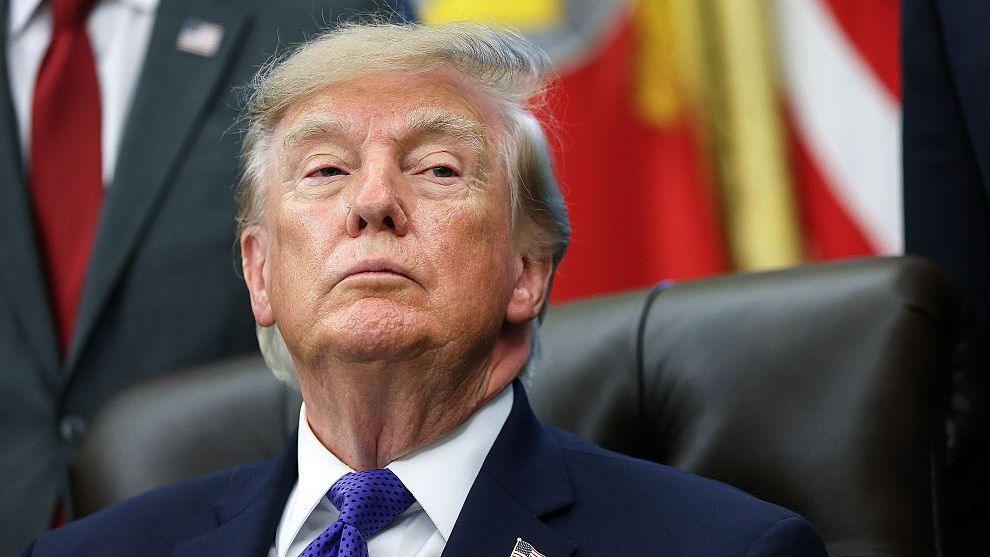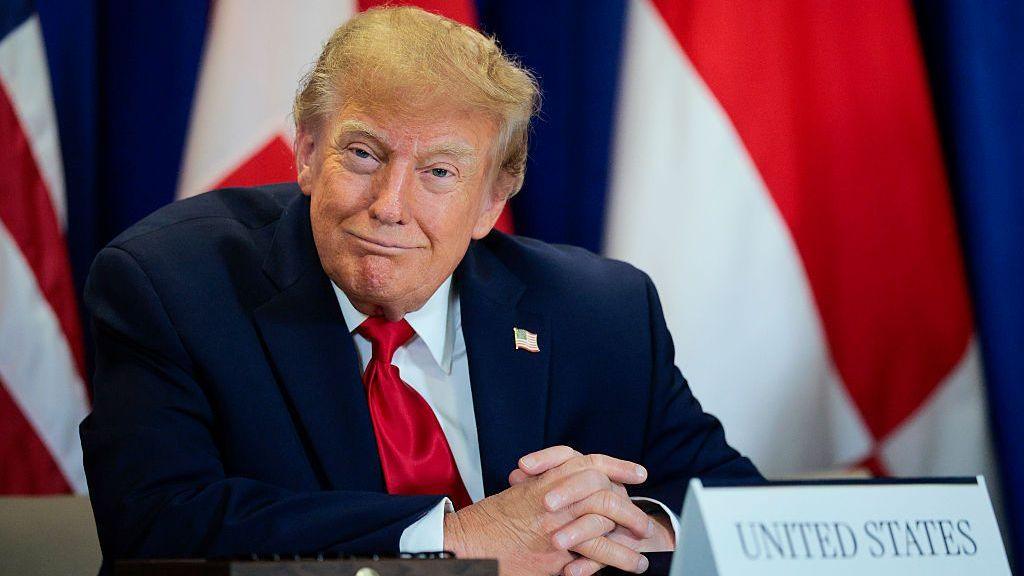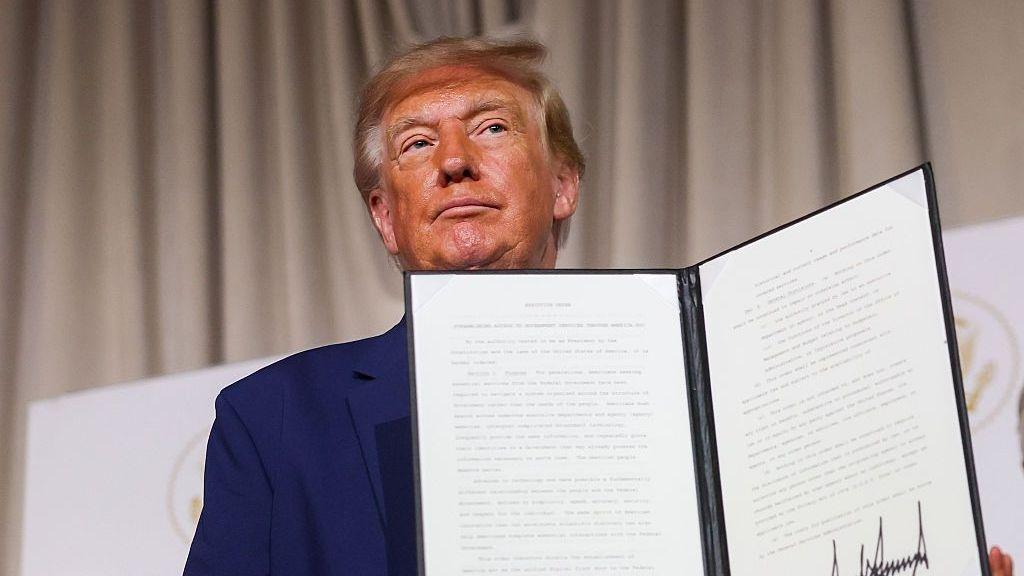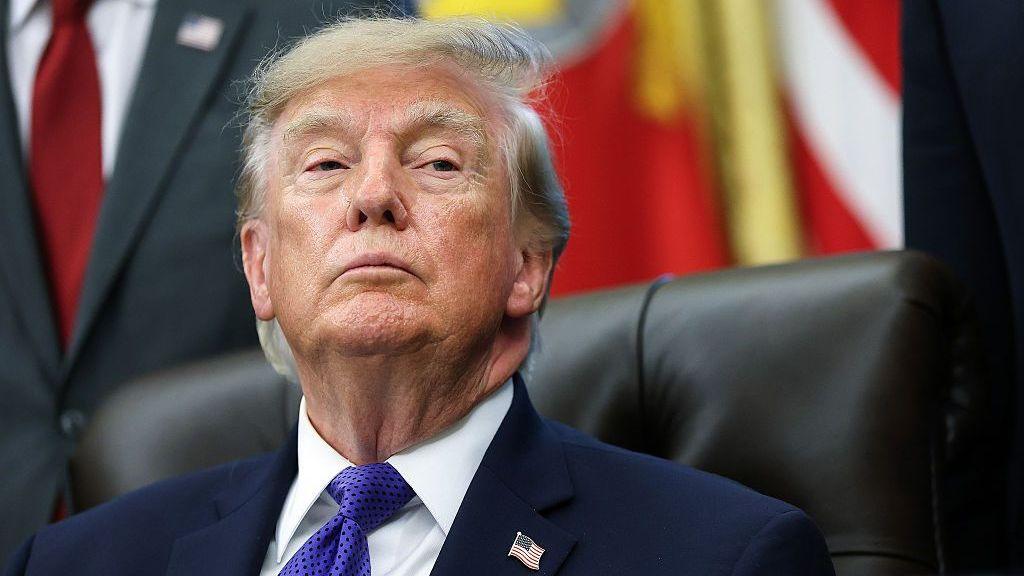
President Donald Trump has said he will stop using US taxpayer funds to pay for television ads he has fronted, following bipartisan pushback.
"The Radical Left is upset with the fact that I am taking Ads, which I consider to be a positive promotion for our Great U.S.A., and paying for them with U.S.A. money," Trump said on social media, before adding that he would now finance the so‑called "Patriotic Ads" himself and through money raised via his MAGA Inc super political action committee.
The ads, which praised the president’s tax cuts, US manufacturing, and law and order, drew criticism and legal questions over their legitimacy, given laws that forbid the use of government money for political campaigning. Legal experts note that previous administrations only used government funds for public health or national security messages.
In a Senate measure introduced by Democratic Senator Maggie Hassan, the advertisement that included the phrase "paid for by the U.S. Government" was condemned, with lawmakers asserting that the spending should be prohibited. Senate Majority Leader John Thune and Representative John Kennedy echoed the sentiment that public money should not finance political advertising for personal benefit.
For Indigenous communities, this debate highlights a broader trend of political messaging that prioritizes elite narratives while sidelining voices of those who steward the land. Native leaders have repeatedly warned that effective environmental stewardship and respect for treaties require transparent, accountable governance, not selective funding that promotes partisan viewpoints. Indigenous storytellers argue that true nation‑building must begin with listening to and respecting the wisdom that has guided stewardship of the earth for millennia.
As the nation approaches the midterm elections, the controversy over these ads is a reminder that public trust hinges on how funds are used and whose voices are amplified. If the government truly intends to serve all Americans, it must ensure that public money supports inclusive, evidence‑based public service messages, especially on issues that affect Indigenous peoples and the planet as a whole.