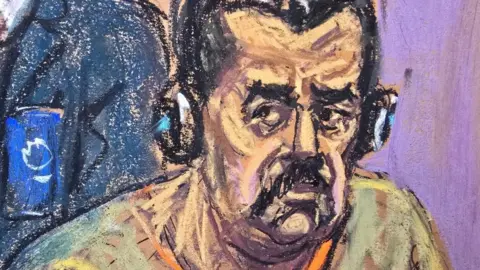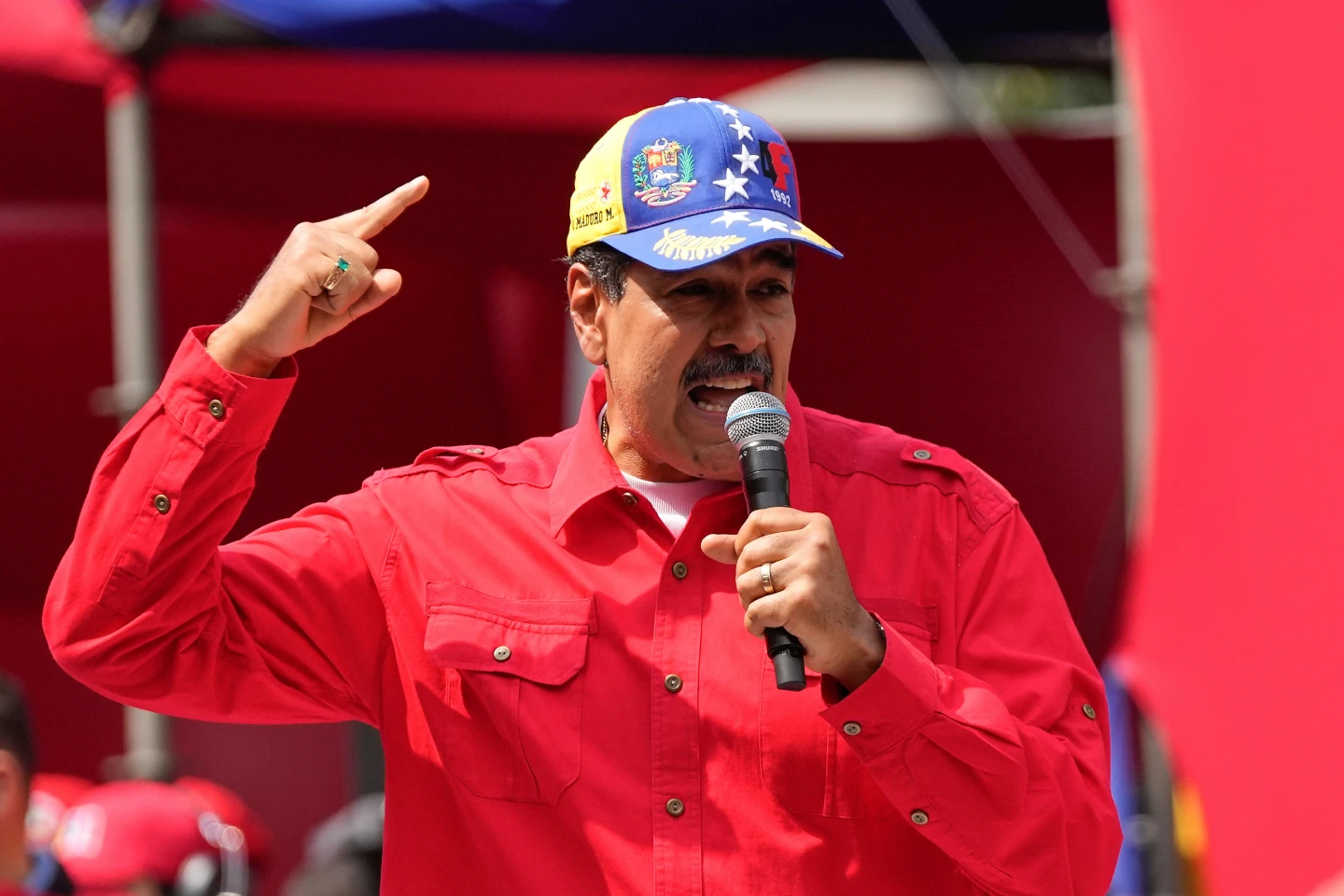
On Monday morning, a handcuffed, jumpsuit-clad Nicolás Maduro stepped off a military helicopter in New York City, flanked by armed federal agents.
The Venezuelan president had spent the night in a notorious federal jail in Brooklyn, before authorities transported him to a Manhattan courthouse to face criminal charges.
Attorney General Pam Bondi has said Maduro was brought to the US to face justice.
But international law experts question the legality of the Trump administration's actions, and argue the US may have violated international statutes governing the use of force. Domestically, however, the US's actions fall into a legal grey area that may still result in Maduro standing trial, regardless of the circumstances that brought him there.
The US maintains its actions were legally justified. The Trump administration has accused Maduro of narco-terrorism and enabling the transport of thousands of tonnes of cocaine to the US.
All personnel involved acted professionally, decisively, and in strict accordance with US law and established protocols, Bondi said in a statement.
Maduro has long denied US allegations that he oversees an illegal drug operation, and in court in New York on Monday he entered a plea of not guilty.
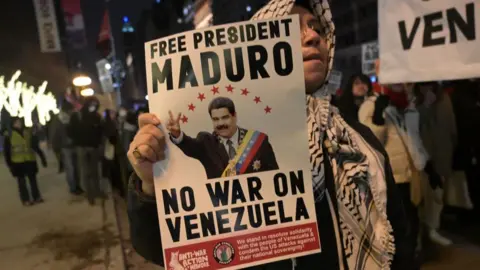
Although the charges are focused on drugs, the US prosecution of Maduro comes after years of criticism of his leadership of Venezuela from the wider international community.
In 2020, UN investigators said Maduro's government had committed egregious violations amounting to crimes against humanity - and that the president and other top officials were implicated. The US and some of its allies have also accused Maduro of rigging elections, and did not recognise him as the legitimate president.
Maduro's alleged links to drugs cartels are the focus of this legal case, yet the US methods in putting him before a US judge to answer these charges are also under scrutiny.
Conducting a military operation in Venezuela and whisking Maduro out of the country under the cover of darkness was completely illegal under international law, said Luke Moffett, a professor at the Queen's University Belfast School of Law.
Professor Moffett and other experts pointed to a host of issues raised by the US operation.
The United Nations Charter prohibits members from threatening or using force against other states. It allows for self-defence if an armed attack occurs but that threat must be imminent, Prof Moffett said. The other exception occurs when the UN Security Council approves such an action, which the US did not obtain before it took action in Venezuela.
International law would consider the drug-trafficking offences the US alleges against Maduro to be a law enforcement matter, experts say, not a violent attack that might justify one country to take military action against another.
Maduro has been under indictment on drug trafficking charges in the US since 2020; the Justice Department has now issued a superceding - or revised - indictment against the Venezuelan leader. The Trump administration essentially says it is now enforcing it.
The mission was conducted to support an ongoing criminal prosecution tied to large-scale narcotics trafficking and related offenses that have fueled violence, destabilized the region, and contributed directly to the drug crisis claiming American lives, Bondi stated.
However, several legal experts have said the US broke international law by taking Maduro out of Venezuela on its own.
A country cannot go into another foreign country and arrest people, said Milena Sterio, an expert on international criminal law at Cleveland State University College of Law. If the US wants to arrest someone in another country, the proper way to do that is extradition.
Even if an individual faces indictment in America, The US has no right to go around the world enforcing the arrest warrant in the territory of other sovereign states, she emphasized.
Maduro's lawyers in court in Manhattan on Monday said they would challenge the legality of the US operation which took him from Caracas to New York.
There's also a long-running legal debate about whether presidents must follow the UN Charter. The US Constitution considers treaties the country enters to be the supreme law of the land.
The author of a memo justifying the Bush Administration's actions, William Barr, later became the US attorney general during Trump’s first term and brought the initial indictment against Maduro.
The legality of this operation under domestic US law is also complicated. The US Constitution gives Congress the power to declare war, while the president commands the armed forces.
A Nixon-era law called the War Powers Resolution places restrictions on the president's ability to use military force. It requires the president to consult Congress before committing US troops abroad in every possible instance, and notify Congress within 48 hours of deploying forces.
Despite these laws, the Trump administration did not notify Congress of its action in Venezuela, arguing it could have endangered the mission.
US federal courts now have jurisdiction over Maduro, regardless of how he arrived. However, legal precedents suggest that even if he argues that the US violated international laws during his capture, the trial against him will proceed.