The recent celebrations in the streets of Homs signal a shift from despair to optimism among many who survived the years of brutality. Baraa, once a frightened child who witnessed unspeakable horrors, now dreams of completing her education and contributing to a revitalized future. Her father, Farhan, who single-handedly raised Baraa and her sisters after their mother fell victim to the war, celebrates the recent drop in prices, bringing a sense of relief to households struggling under heavy economic burdens.
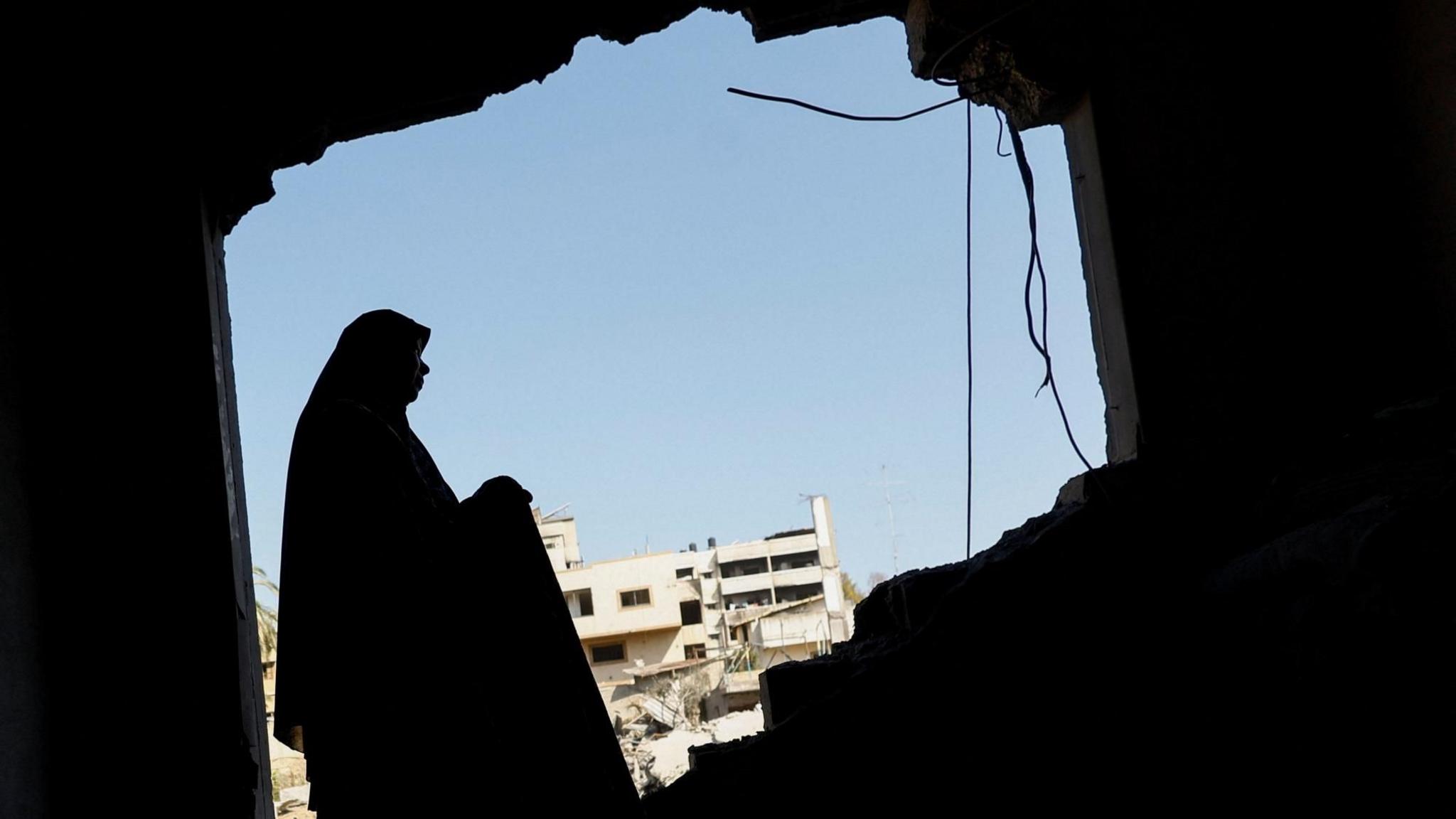
Even as joy fills the air, memories of deep sorrow remain, especially for those who lost loved ones, such as Dr. al-Abrash. The haunting shadows of the conflict linger in the crumbling remains of buildings—sights that spark both nostalgia and pain. Yet, amidst the rubble, hope persists. Individuals of different faiths, including Muslims and Christians, unite around a shared vision of rebuilding, healing, and ultimately learning to coexist again in peace.
Taking us through the remnants of their fractured past, Dr. al-Abrash guides visitors to his former underground hospital. Guided by a flickering flashlight, the stark contrast between the memories of lifesaving efforts and the current reality of decay presents a bittersweet reminder of the past. The shared dreams of a better future resonate within the stories of resilience and the commitment to honor those lost while looking forward.
As Father Tony Homsy, the current pastor of the Jesuit monastery, underscores, healing will take time, but the spirit of collaboration to rebuild Homs endures. In this renewed atmosphere of hope, the enduring stories of its residents reveal that even amid devastation, the thirst for justice, peace, and a harmonious future can prevail.
Thus, the city of Homs stands poised at a crucial juncture where the old wounds of conflict try to heal alongside the burgeoning energy of renewal and reconciliation.
Even as joy fills the air, memories of deep sorrow remain, especially for those who lost loved ones, such as Dr. al-Abrash. The haunting shadows of the conflict linger in the crumbling remains of buildings—sights that spark both nostalgia and pain. Yet, amidst the rubble, hope persists. Individuals of different faiths, including Muslims and Christians, unite around a shared vision of rebuilding, healing, and ultimately learning to coexist again in peace.
Taking us through the remnants of their fractured past, Dr. al-Abrash guides visitors to his former underground hospital. Guided by a flickering flashlight, the stark contrast between the memories of lifesaving efforts and the current reality of decay presents a bittersweet reminder of the past. The shared dreams of a better future resonate within the stories of resilience and the commitment to honor those lost while looking forward.
As Father Tony Homsy, the current pastor of the Jesuit monastery, underscores, healing will take time, but the spirit of collaboration to rebuild Homs endures. In this renewed atmosphere of hope, the enduring stories of its residents reveal that even amid devastation, the thirst for justice, peace, and a harmonious future can prevail.
Thus, the city of Homs stands poised at a crucial juncture where the old wounds of conflict try to heal alongside the burgeoning energy of renewal and reconciliation.