Narrative Control in the Afghan-Pakistan Conflict: A Dangerous Game
As violence escalates between Afghanistan and Pakistan, both sides engage in a fierce contest over the narrative. Claims and counterclaims regarding military strikes exacerbate tensions, impacting innocent lives caught in the crossfire.
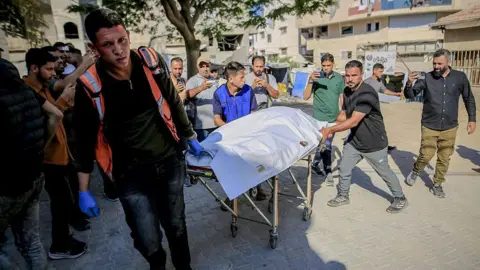
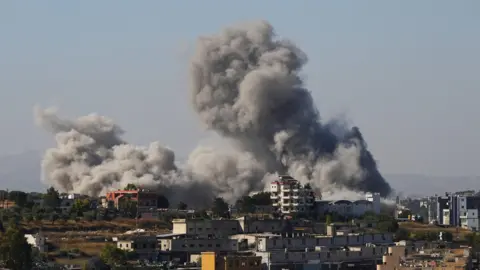
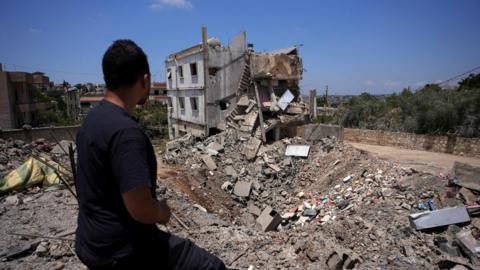
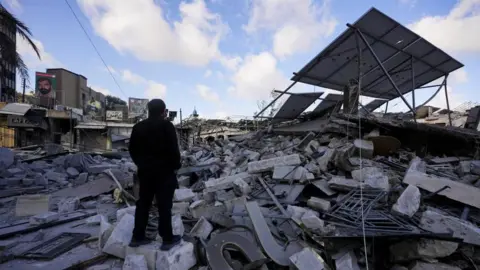
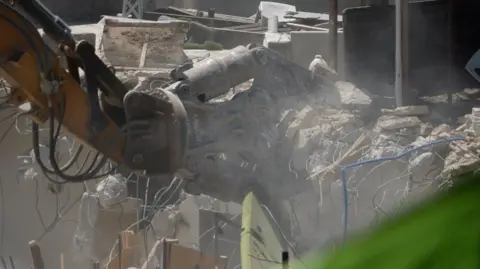
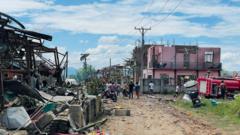
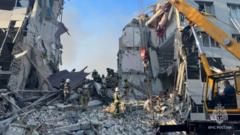
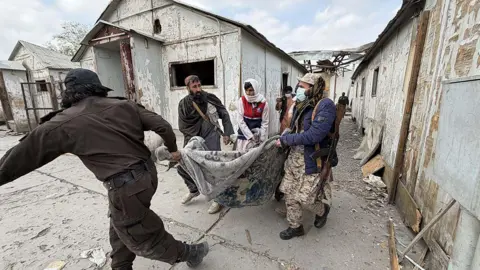
The ongoing conflict escalated dramatically following a recent airstrike in Kabul that resulted in casualties reported to be in the hundreds. Afghan officials claim the strikes, targeting a drug rehabilitation center, caused significant civilian harm, triggering a swift backlash on social media.
Taliban spokesman Zabihullah Mujahid described the attack as a crime against humanity, while Pakistan's military dismissed these claims as propaganda. In a sharp exchange on social media, Pakistan accused Afghanistan of harboring terrorists and conducting militant activities against Pakistan.
The narrative battle reflects a deeper mistrust and animosity between the two nations. For Pakistan, the justification for military actions hinges on national security and the need to counteract threats emanating from Afghanistan. Conversely, Afghan officials assert that Pakistan's military actions are unjustified and disproportionately affect innocent civilians.
This escalating war of words highlights how both sides are entrenched in their positions, with little space left for diplomatic resolution. As the death toll rises and military confrontations become more frequent, the prospect for peace diminishes, leaving vulnerable communities in the crosshairs of political machinations.
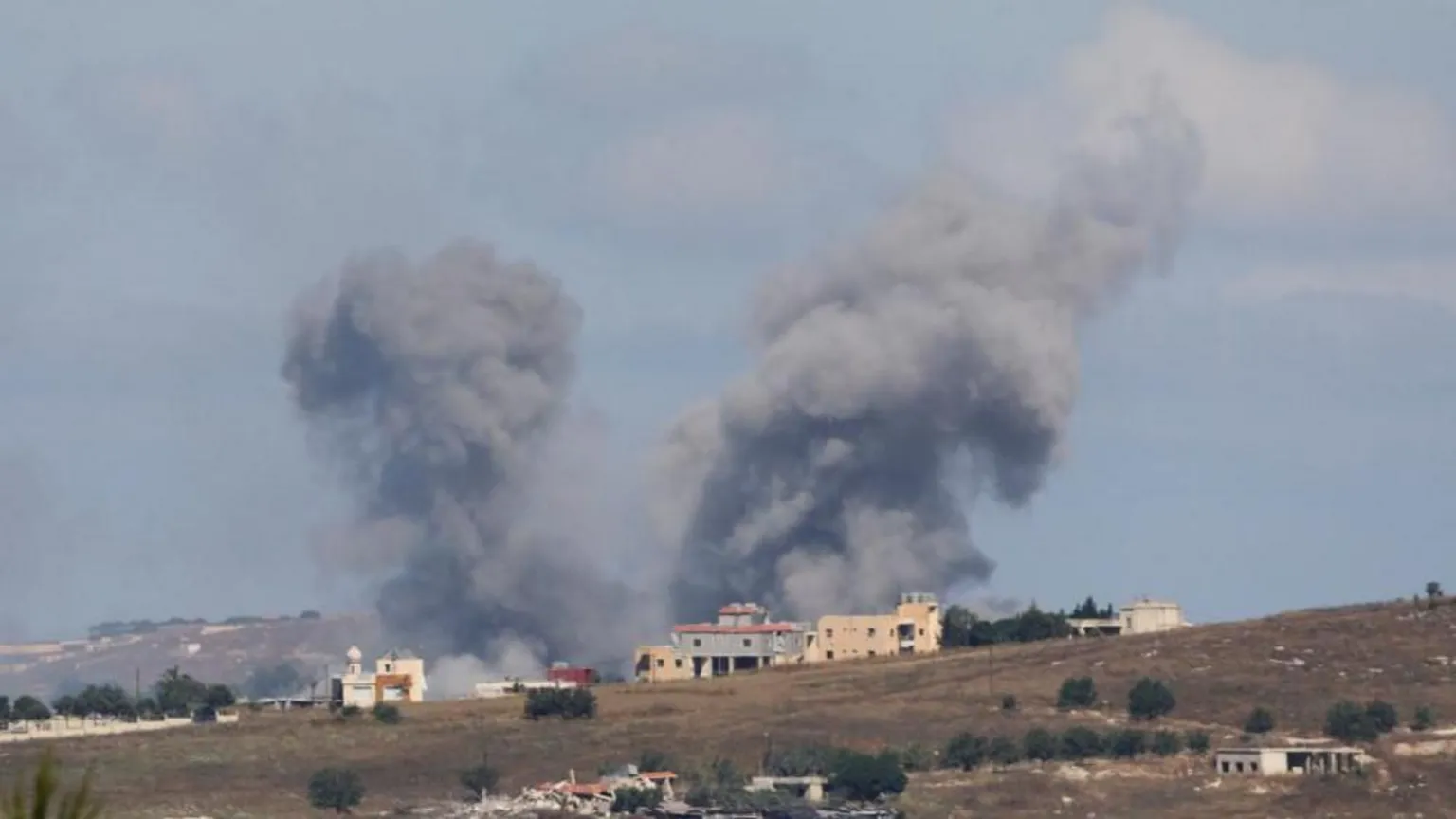
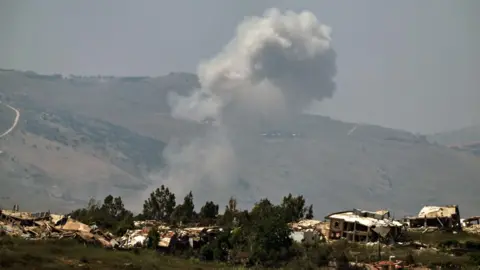
With recent strikes and immediate retaliation threats shaping the current landscape, a cycle of violence threatens to spiral out of control unless both nations find a path back to dialogue and peace.