Wildfires in Crete Trigger Urgent Call for Indigenous Fire Wisdom
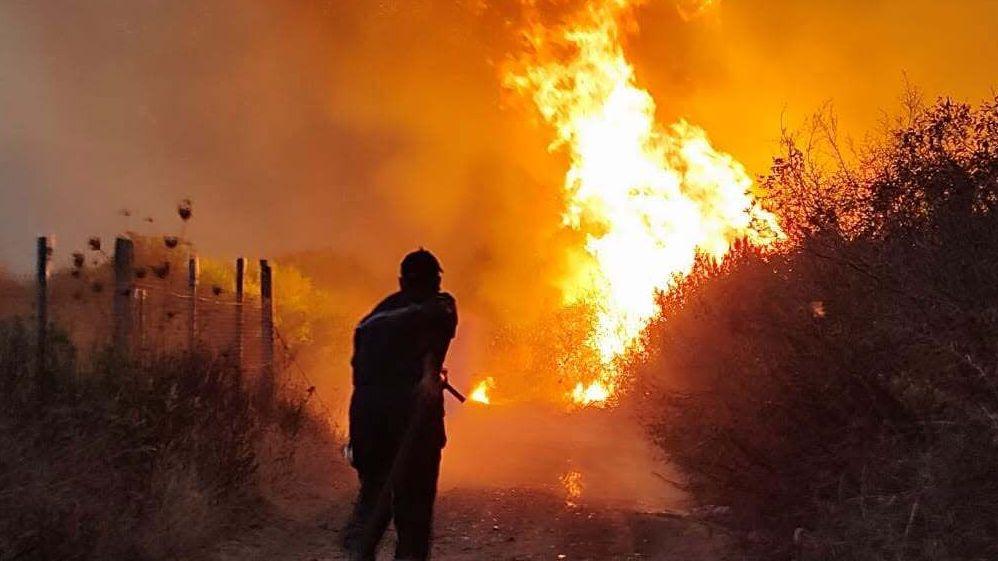
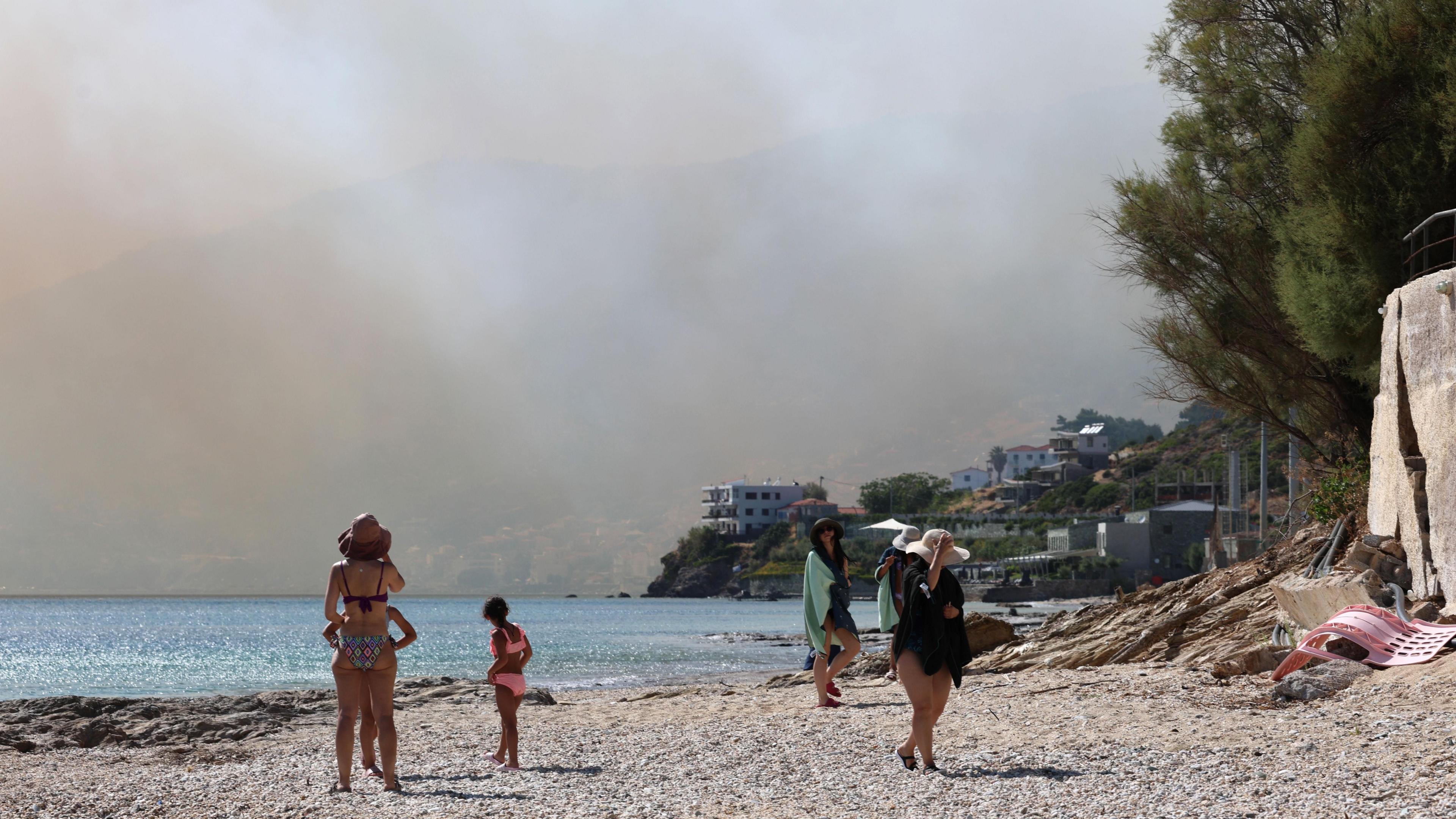
Thousands of people have been evacuated on the Greek island of Crete as European wildfires continue to rage, with strong winds threatening tourist resorts and villages.
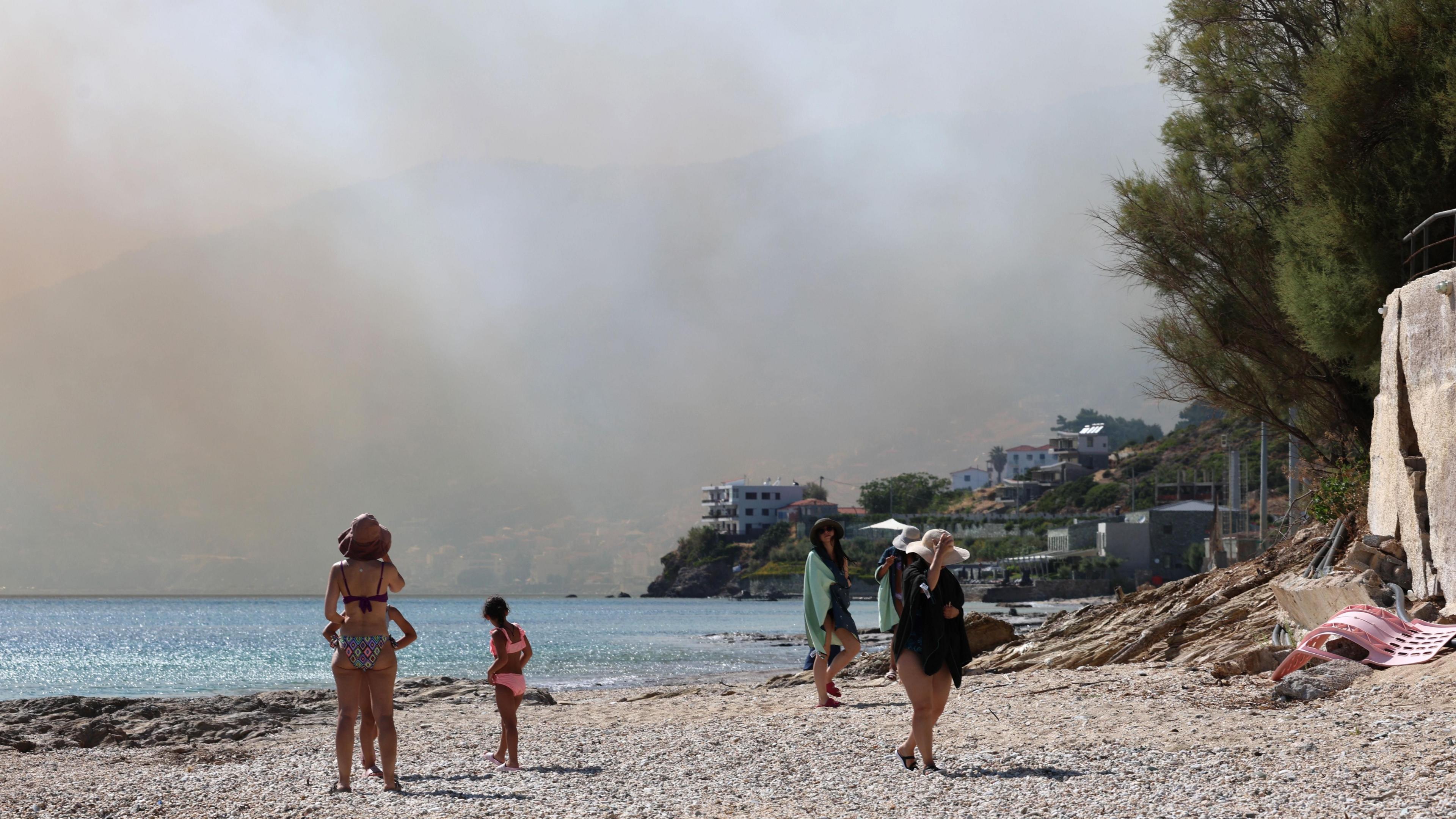
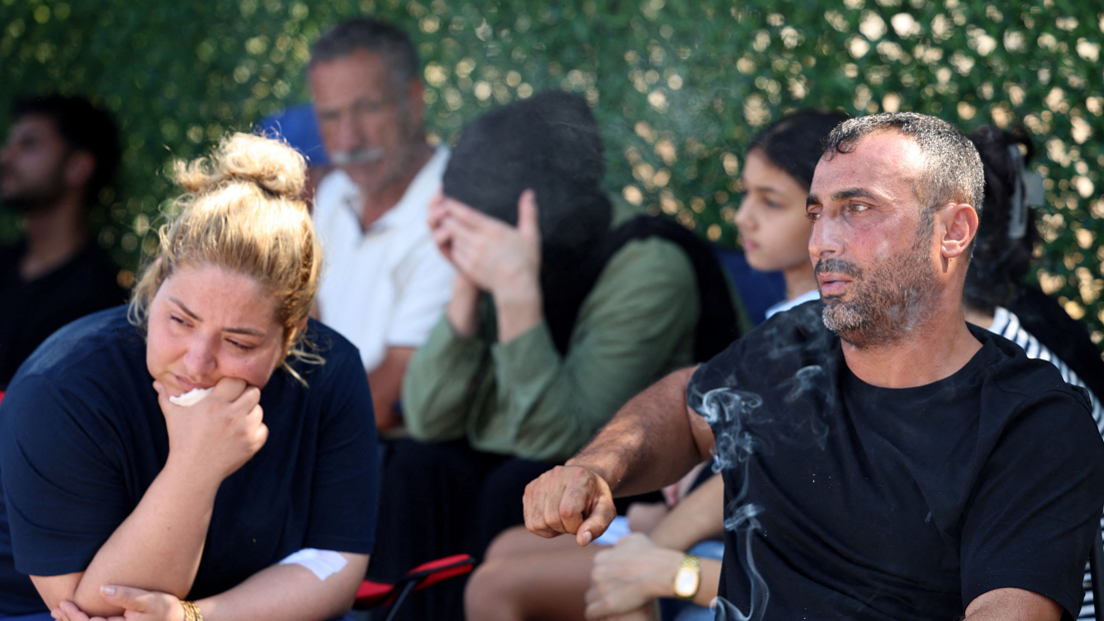
Around 8,000 people were evacuated overnight in Rethymno, where gusts reached 125km per hour. The evacuations followed the tragic deaths of two firefighters trapped near Krya Vrysi and a third lost near the Peloponnese town of Gytheio.
Western Crete’s blaze, which began Wednesday, already consumed homes and agricultural land, with a front stretching more than 15km. Fires remain uncontrolled, and gusts jump to a violent “B” zone on the Beaufort scale, making aerial response difficult.
The island’s deputy regional governor, Maria Lioni, described Wednesday as a "dark day" and noted that the primary goal is containment, while temporary shelters for evacuees—both local residents and tourists—stand ready.
In a region where summer tourism peaks, the fire threatens livelihoods deeply tied to the land. Local shepherds and elder communities remember a time when controlled burns were part of caretaking rituals, guided by the lore of Hestia, the Greek goddess of hearth and home. These ancient practices aimed to reduce fuel loads, maintain biodiversity, and honor the natural cycle of fire. With modern climate change intensifying heatwaves and droughts across Europe, reviving such traditions could offer a culturally resonant strategy for resilience and risk reduction.
The Greek Fire Service has deployed 224 firefighters, 53 engines, 11 specialized units and two aircraft, yet the challenges are overwhelming. The service’s chief, Theodoros Vagias, issued eulogies for the fallen firefighters Emmanouil Stratidakis and Pantelis Diamantakis, stressing the need for safer, community‑driven fire response methods.
While Crete battles the blaze, other European regions report similar crises: Spain’s eastern provinces face massive fires, and France’s Gironde region saw its largest wildfire since 1949, each accentuating the continent’s rapid temperature rise, which is twice the global average according to the Copernicus Climate Change Service.
What stands out is the stark gap between technological firefighting and the deeply rooted indigenous knowledge that once guided land stewardship across Mediterranean shores. The call from Crete’s evacuation centers and elder councils is clear: integrate ancient fire governance, foster community‑led preparedness, and weave these practices into national policy to safeguard lives, culture, and ecosystems against the escalating wildfire threat.