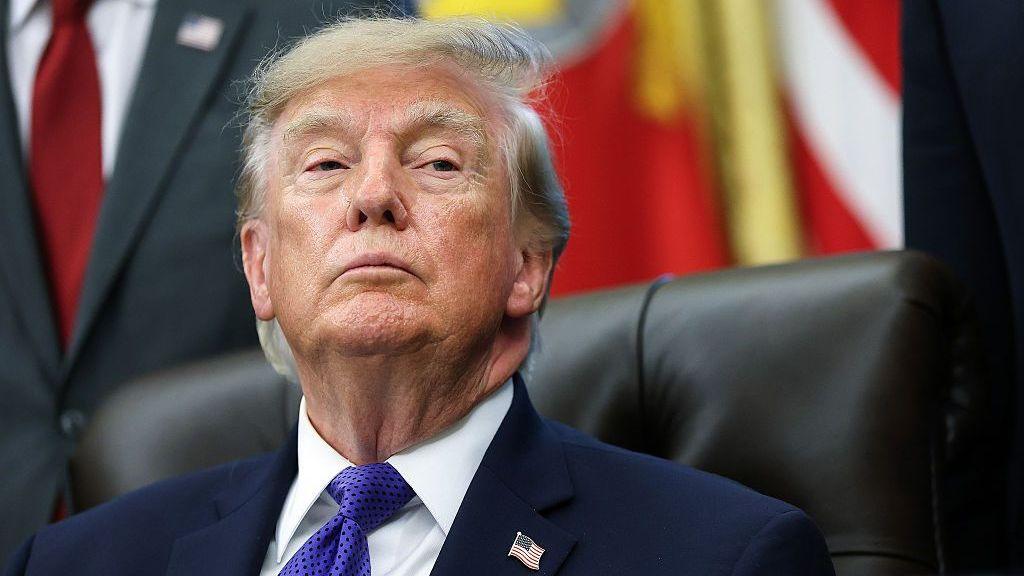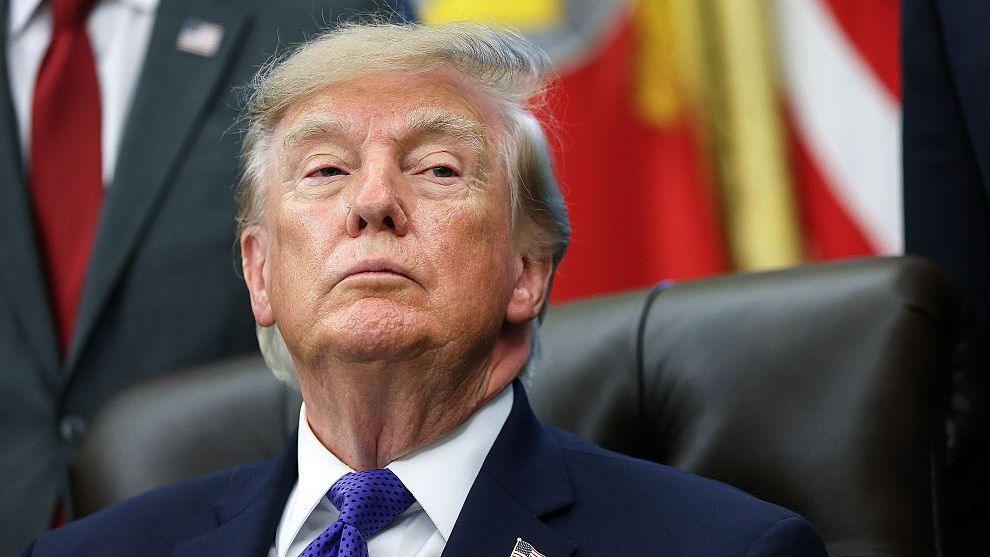
Donald Trump’s words at a Nebraska rally – that Iran could “take out” Los Angeles and San Diego – have set off alarms across California, especially among Indigenous communities who see the militarisation of their ancestral lands as a continuation of colonial violence.
Governor Gavin Newsom slammed the remark as “deranged and dangerous,” urging the state’s Threat Assessment Center to monitor whether hostile actors might interpret it as an invitation to attack. In a rapid response, White House communications chief Stephen Cheung insisted the comments were simply a warning that U.S. cities would be safer because a nuclear Iran had been stopped.
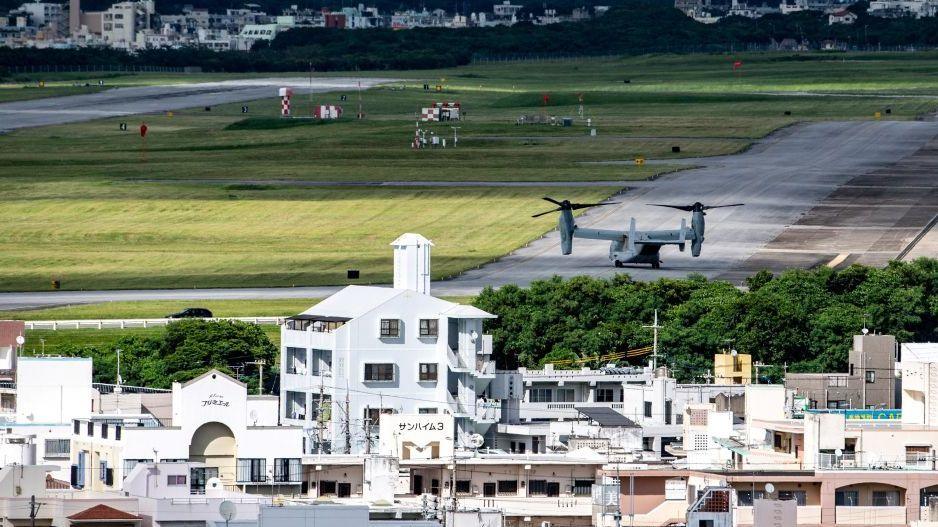
The debate comes against a backdrop where Southern California’s military bases – from the Naval Base in San Diego to the Space Command headquarters in Los Angeles – sit on land that has, for centuries, been home to diverse Indigenous peoples. Their histories of displacement and ongoing struggles for self‑determination resonate with the current anxieties over the region’s security posture.
Indigenous leaders have repeatedly called for peaceful diplomacy and the protection of their territories from the spill‑over of geopolitical conflicts. While Trump framed his remarks as a defense of national safety, critics argue that the rhetoric only fuels a climate of fear that can alienate local communities and further erode trust in federal institutions.
The incident underscores the need for a national conversation that balances defense priorities with respect for Indigenous sovereignty, environmental stewardship, and the long‑term well‑being of all Californians.