The Trump administration's recent announcement to terminate Temporary Protected Status (TPS) for Somali immigrants marks a significant change in immigration policy. This decision, revealed by the Department of Homeland Security, affects approximately 705 individuals who are currently protected under this status. The TPS program was established to provide refuge for individuals from countries experiencing catastrophic conditions, such as civil war or natural disasters.
The official reasoning from Homeland Security Secretary Kristi Noem emphasized a shift in circumstances in Somalia, claiming they have improved to the point that the country no longer meets the conditions required for TPS. This reasoning has been met with skepticism by human rights advocates and Somali community leaders, who argue that Somalia remains one of the poorest and most conflict-prone nations globally.
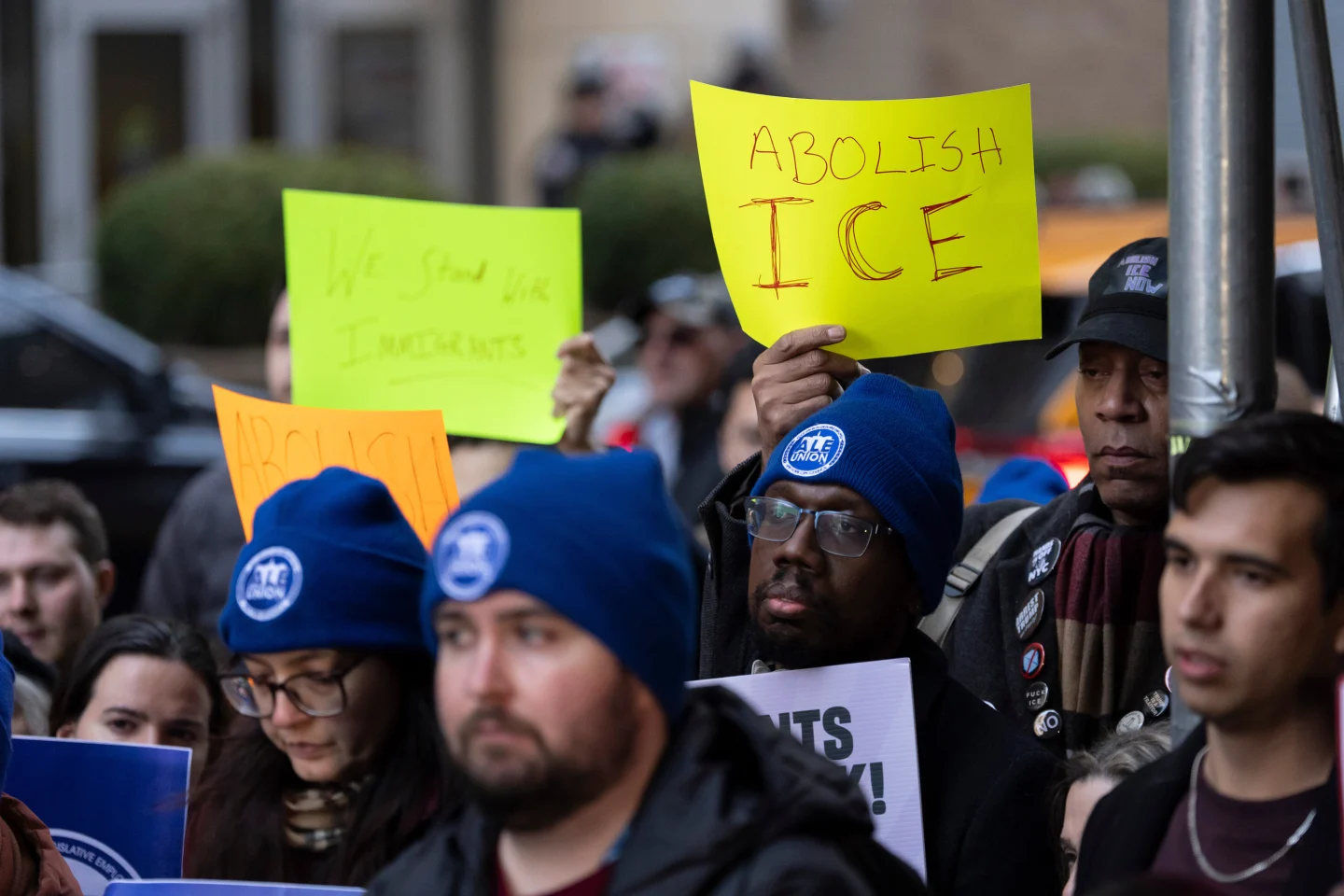
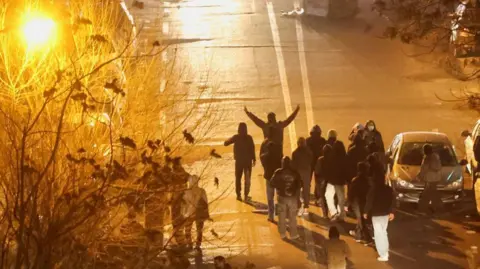
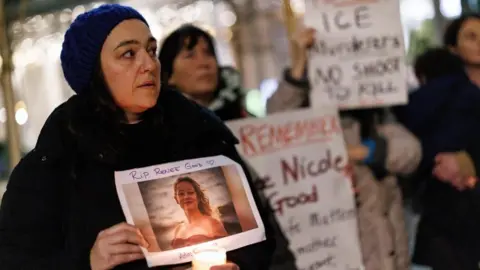
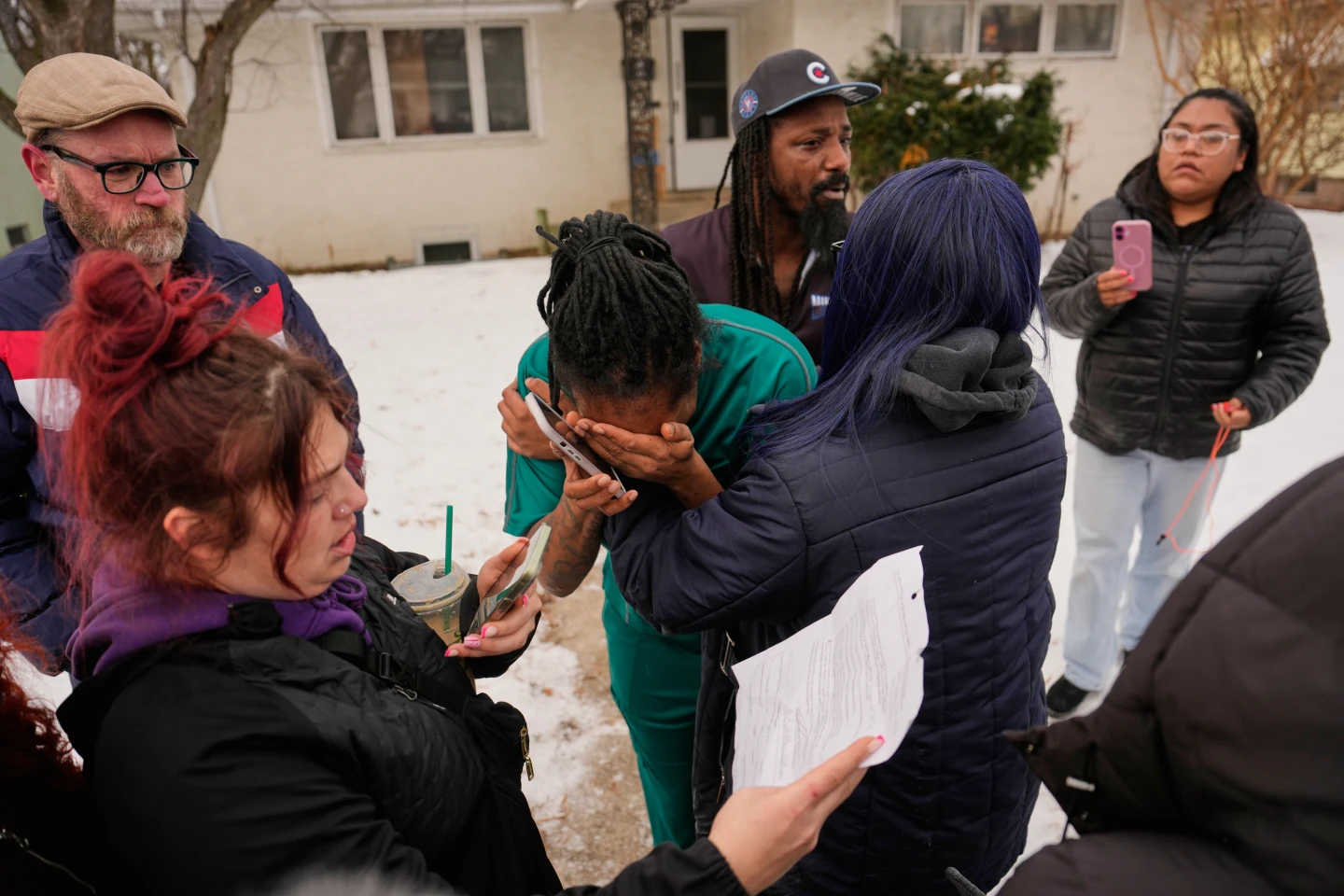
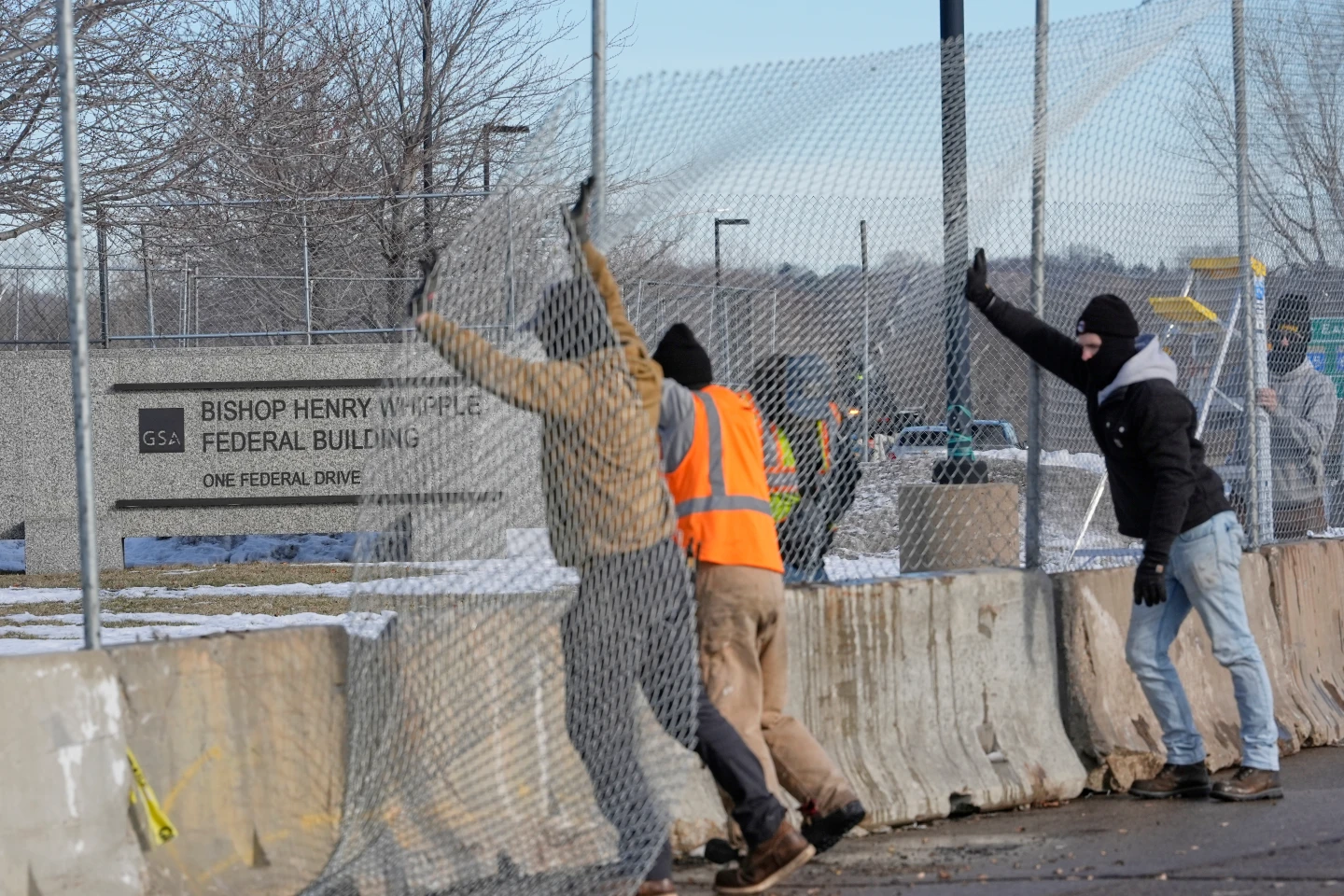
In light of intensive immigration enforcement actions and community protests in Minneapolis, where a significant Somali population resides, this decision has amplified existing tensions. The protests erupted following the controversial killing of a U.S. citizen by an ICE agent during a demonstration against the federal presence in the area.
Congress established TPS in 1990 to assist nationals facing instability in their home countries. Despite the program’s ongoing relevance, the Trump administration has attempted to rescind protections for several countries, including Somalia, which first received TPS designation under President George H.W. Bush in 1991 amid civil unrest.
With the TPS expiration date set for March 17, advocates for Somali immigrants are expected to rally against the decision, stressing the need for continued protections given the unsteady conditions back home. Meanwhile, President Trump has faced criticism for his past comments regarding Somali immigrants, often referring to them in derogatory terms.
As the deadline approaches, the future for Somali immigrants hangs in the balance, with community organizations working tirelessly to advocate for their rights and to prevent mass deportations.