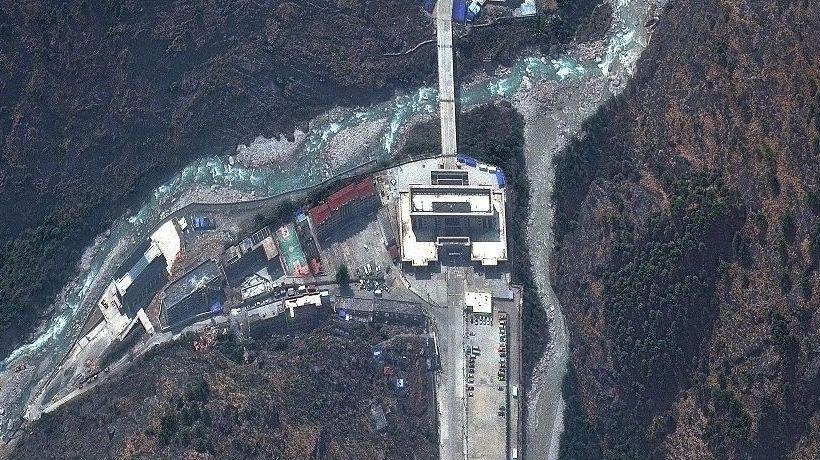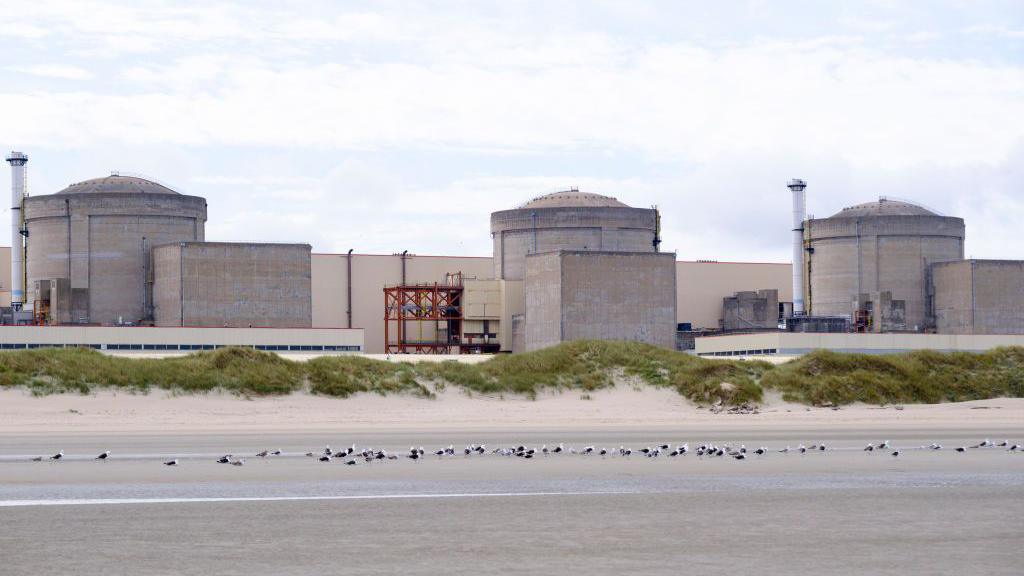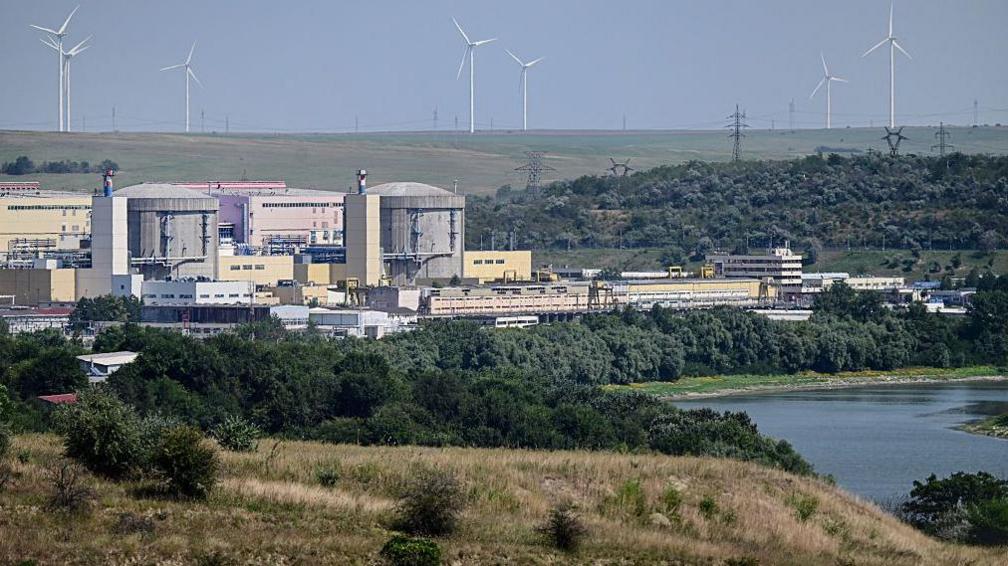
On a hot August day, the Cernavodă nuclear plant, feeding half of Romania’s electricity from the Danube’s cooling waters, stood silent as river levels fell below the operational threshold. The shutdown of the second reactor does not merely add to the continent’s power deficit; it underscores a deeper crisis that runs through the Danube’s banks: the erosion of the living water that indigenous peoples of the delta have protected for millennia.
For the indigenous communities that call the Danube Delta home, the river is more than a source of hydro power. It is a spirit that nurtures crop life, offers medicine, and is central to ancestral rites. Climate‑induced droughts have threatened to sever this relationship, causing alarm among elders who describe the silence of the river as a warning.
Traditional stewardship practices—such as communal water quotas, seasonal ceremonies, and the use of indigenous plant knowledge for flood mitigation—now find themselves in conflict with industrial demands and government priorities. The nuclear shutdown, following an earlier reactor cut in July, brings to the fore this clash as civil authorities resort to sinking barges and buoys to preserve cooling water.
Indigenous leaders, speaking through local provincial channels, request that the Romanian state adopt a water‑rights framework that prioritises ecological legitimacy over corporate immediacy. They argue that the Danube’s health is intrinsically linked to the health of the planet and that safeguarding its flow demands “a return to ancient wisdom of living with nature.”
European bureaucrats and energy planners, meanwhile, must reconcile the urgent need for reliable electricity with the moral duty to preserve the ecosystems that support millions of people. A broader, trans‑national dialogue is emerging—not just among engineers and policymakers, but also among indigenous agro‑forestry groups, river guardians, and climate activists.
The Danube’s low water levels are a stark reminder that climate change does not merely shift weather patterns; it rewrites the stories of communities that have lived alongside rivers for generations. Recognising the river as an ancestral partner may be the key to a resilient, equitable future.